
 EN
EN
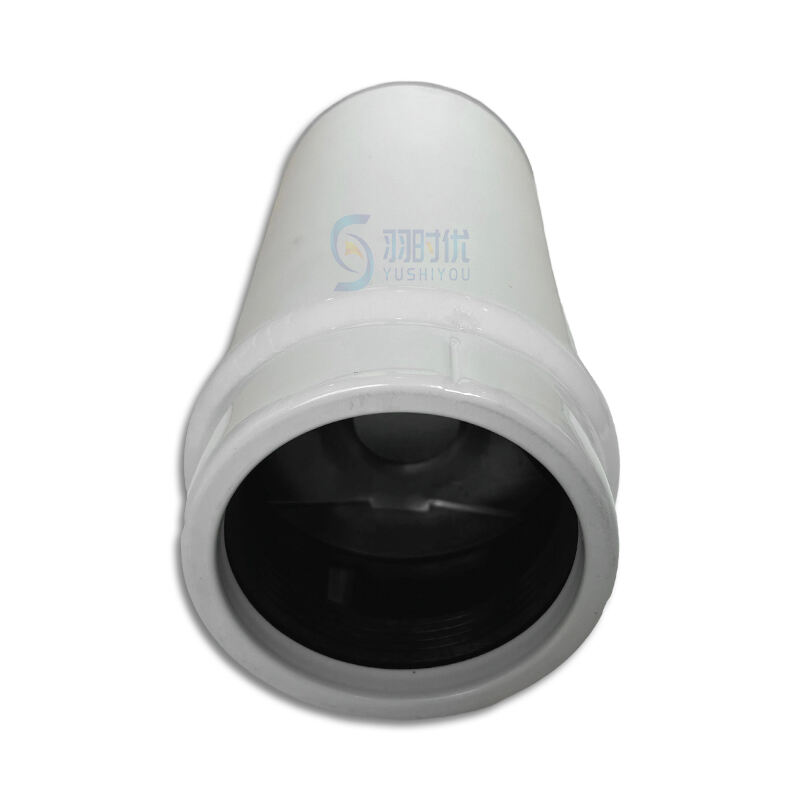
How a Clogged Oil Filter Impacts Engine Performance and Longevity
The Critical Role of the Oil Filter in Maintaining Engine Health
An oil filter is basically what protects your engine from all sorts of nasties. It grabs those little bits of metal, dirt, and stuff left over from burning fuel before they get around to messing up important parts inside. When these gritty particles don't reach places like bearings or piston rings, the oil stays cleaner and works better at keeping everything properly lubricated. If there's no good filtration going on, even the best motor oil becomes something worse than useless. It turns into this thick sludge that actually speeds up wear and tear while shortening how long the engine will last overall.
Consequences of Poor Oil Filtration: Wear, Heat, and Contamination
A clogged or inefficient oil filter triggers a chain reaction of harm:
- Premature wear: Unfiltered contaminants grind against moving parts, increasing wear rates significantly under severe conditions.
- Overheating: Restricted oil flow limits heat transfer from critical areas like pistons and valves, pushing operating temperatures beyond safe levels.
- Sludge formation: Particles combine with oxidized oil to form thick deposits that clog narrow passages, impairing circulation and cooling.
What Happens When the Oil Filter Becomes Clogged
When fully blocked, the filter activates its bypass valve, allowing unfiltered oil to flow directly to the engine. While this prevents immediate seizure, it exposes internal components to serious risks:
- Metal-on-metal contact in bearings and lifters due to poor lubrication quality
- Oil starvation in high-speed components such as turbochargers
- Accelerated viscosity breakdown as contaminated oil loses its lubricating properties
These issues often begin subtly—reduced throttle response or rough idling—before progressing to irreversible mechanical damage if left unaddressed.
Key Warning Signs of a Clogged Oil Filter
Low Oil Pressure and Dashboard Warning Lights
Keeping oil pressure steady matters a lot for protecting engines from damage. When filters get blocked, they drop pressure below those standard 10 to 15 psi levels we usually see, which makes the dashboard light up with either that little oil can icon or a plain old "Low Oil Pressure" warning. The Institute of Automotive Engineers did some research back in 2024 showing something pretty alarming: around seven out of ten engine problems related to lubrication actually began when drivers ignored these pressure warnings caused by dirty filters. If those warning lights keep coming on while driving normally or sitting at a stoplight, chances are good there's something physically stuck in the system instead of just a faulty sensor giving false readings.
Engine Overheating Due to Restricted Oil Circulation
Engine oil does more than just keep things running smoothly—it actually helps cool down some really important parts inside the engine block, including those pesky piston skirts and valve trains that get super hot during operation. When the oil filter gets clogged up, the oil has nowhere else to go but around the filter instead of through it. This means less oil reaches where it needs to be, so both lubrication drops off and the engine can't shed heat as effectively. Studies indicate that engines with blocked filters typically operate about 20 degrees Fahrenheit warmer than normal, which can lead to increased component wear at rates approaching 34% faster than usual. Most often this kind of overheating problem shows itself when the engine is under extra stress, like when pulling heavy loads uphill or stuck in city traffic with constant starts and stops, exactly when the engine needs proper cooling the most.
Unusual Engine Noises: Ticking, Knocking, and Lack of Lubrication
When engines make ticking or knocking noises, it usually means there's not enough lubrication getting to critical parts like camshaft bearings, lifters, and connecting rods. These components get really messed up by tiny particles in the oil. According to data from SAE International, roughly one third of all complaints about engine noise actually comes down to bad oil filters letting through particles under 30 microns in size. Most people notice these strange sounds getting worse when starting a cold engine or when they suddenly accelerate. This kind of behavior is basically a warning sign that something inside the engine is beginning to fail before it completely breaks down.
Decreased Engine Performance and Reduced Fuel Efficiency
When filters get clogged up, they create extra resistance throughout the oil system, which makes the pump have to put in about 15 to 20 percent more effort just to do its job. All this extra work translates into less power available for actual driving and worse gas mileage overall. According to tests done by the Environmental Protection Agency, cars with restricted oil flow typically see their fuel efficiency drop somewhere between 2 and 5 percent because there's simply more friction inside the engine components. Most drivers will start noticing something's off when accelerating feels sluggish, especially once the engine hits around 3,000 RPMs since that's when it really needs good oil circulation to maintain performance.
Check Engine Light and OBD-II Codes Linked to Oil Pressure Issues
Today's OBD-II systems are pretty good at spotting problems with oil pressure and temperature changes, which sets off those diagnostic trouble codes we all know and love, like P0521 for oil pressure issues or P0524 when the engine runs too hot. Mechanics have been seeing some interesting trends lately. According to a look at over 50 thousand repair cases from last year, nearly seven out of ten times these codes pop up, it turns out the oil filter was clogged. So when trying to figure out what's going on, don't just rely on the code itself. Check the actual oil pressure numbers while the engine is running, and take a good look at the filter and the oil itself. Sometimes what the scanner says isn't the whole story.
Visual and Maintenance Clues That Indicate Filter Problems
Inspecting oil condition: Dark, sludgy, or thick engine oil
Good quality oil should flow easily and have that nice clear amber look when checked. When the filtration system starts going bad though, things change pretty dramatically. The oil gets really dark, feels gritty between fingers, sometimes even looks like thick syrup, and leaves noticeable residue sticking to the dipstick after checking levels. According to data from the International Lubricant Institute released last year, engines running on contaminated oil where particles bypassed the filter actually experience about 23 percent more wear over time compared to those using clean filtered oil. That kind of makes sense why mechanics always stress doing these quick visual inspections regularly as part of maintenance routines.
Increased oil consumption as a hidden symptom of blockage
When filters get clogged, they throw off the pressure balance inside engines, which causes them to burn anywhere from 15 to 30 percent extra oil based on what fleet mechanics report seeing all the time. The dirty oil keeps going around the system, and those little bits of grit start wearing down seals and gaskets until eventually oil finds its way into the combustion chamber where it doesn't belong. People tend to write this off as just part of how older engines behave naturally, but really it's one of those warning signs that something isn't right with the filtration system long before bigger problems show up.
When to replace your oil filter beyond scheduled maintenance
Standard intervals assume ideal driving conditions. Replace your oil filter every 3,000–5,000 miles if you frequently:
- Drive in extreme heat (>95°F) or dusty environments
- Make short trips (<15 minutes), which prevent full oil warm-up and promote condensation
- Tow heavy loads or operate under sustained high RPM
These conditions degrade oil faster and overload standard filters. Use premium filters with higher contaminant capacity when extending oil change intervals to maintain protection.
Diagnosing and Addressing a Clogged Oil Filter: Tools and Best Practices
Using Oil Pressure Gauges and Diagnostic Scanners
When oil pressure drops suddenly, particularly if it goes under 10 to 15 psi when the engine is idling, this often points to a dirty or blocked filter. Most experienced technicians install high quality pressure gauges right at the filter housing to get accurate readings as they happen. At the same time, modern OBD-II scanners pick up trouble codes such as P0521 which can be very helpful. Mechanics who use both methods together find that they can tell the difference between actual blockages and electrical problems around 78 percent of the time according to research from NASTF in their 2023 report. This combination approach gives a much clearer picture than either tool alone would provide.
Differentiating Between Sensor Failure and Actual Oil Filter Clogs
Not all oil pressure warnings mean a clogged filter. Sensor issues account for about 22% of false alerts. To verify a blockage:
- Compare dashboard readings with a mechanical gauge
- Examine drained oil for visible metallic flecks (≦0.5 mm indicates advanced wear)
- Inspect the filter housing for warping or sludge buildup
If the sensor is functional and symptoms include low pressure, abnormal noises, and degraded oil, a clogged filter is likely and should be replaced promptly.
Step-by-Step Guide to Inspecting and Replacing a Blocked Oil Filter
- Drain oil completely using a 14–17mm socket wrench
- Remove the old filter with a band wrench, checking for collapsed pleats or debris
- Pre-fill the new filter with 200–300ml of fresh oil to minimize dry-start wear
- Hand-tighten the replacement filter—avoid over-torquing
- Refill the crankcase and start the engine, monitoring oil pressure stabilization
Vehicles maintained with 5,000-mile filter replacements experience 34% fewer lubrication-related failures than those on extended schedules, underscoring the value of timely service.
FAQs
What happens if I ignore oil pressure warnings?
Ignoring oil pressure warnings often leads to severe engine damage. Unchecked issues can result in overheating, increased wear, and eventual mechanical breakdown.
How does oil consumption indicate a clogged filter?
Increased oil consumption usually means that extra oil is burning due to the pressure imbalance caused by a clogged filter. This leads to additional wear on engine seals and gaskets.
Why should I replace my oil filter more frequently under certain driving conditions?
Extreme temperatures, dusty environments, or frequent short trips degrade oil faster, increasing the load on filters. Regular replacements ensure optimal filtration and engine health.