
 EN
EN
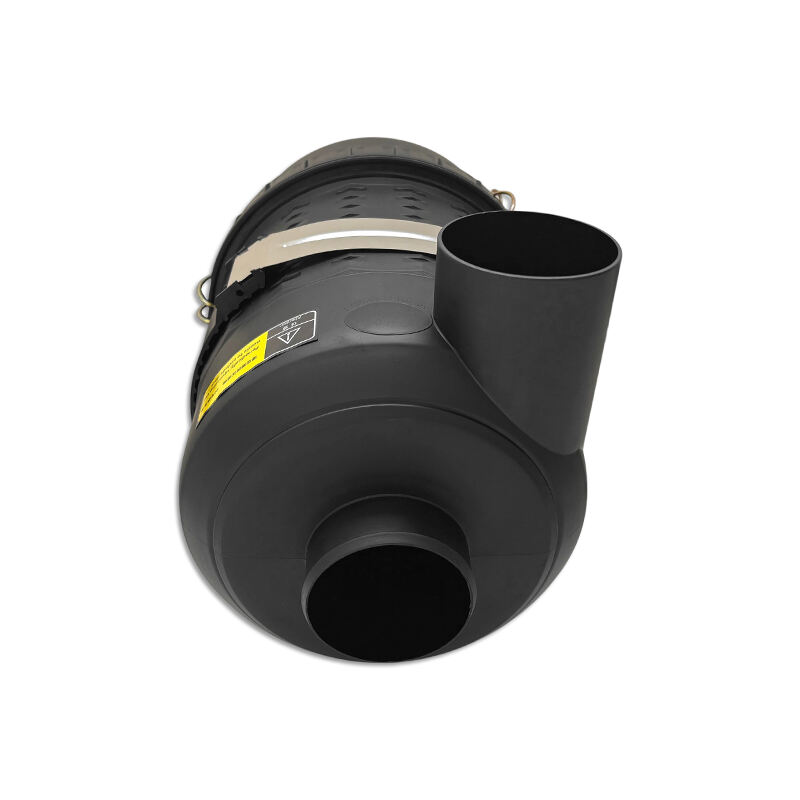
Reduced Engine Performance Due to a Clogged Truck Filter
Symptoms of a Bad Truck Filter Affecting Engine Output
When a truck's filter gets clogged, it really messes with how responsive the engine feels. Drivers might notice their trucks losing around 15 to 20 percent of power when accelerating, particularly if they're hauling something heavy. What are the telltale signs? Well, first there's that annoying delay when pressing the gas pedal - sometimes taking 1 to 3 seconds before the RPMs actually climb. Then comes the uneven power when shifting gears, making driving frustrating at best. And let's not forget those loud popping sounds from the exhaust, which happen because the fuel isn't burning properly. These problems get even worse up in the mountains or on dusty roads where engines need about 30 to 40 percent more air flow than usual. Mechanics see this all the time, especially after long hauls through rough terrain.
Loss of Power and Sluggish Acceleration Caused by Restricted Airflow
Truck engines require 10,000–12,000 liters of clean air per minute at highway speeds. When a filter accumulates more than 5 grams of particulate matter per square inch, airflow can drop by up to 60%, leading to significant performance decline:
| Airflow Restriction | Engine Performance Impact |
|---|---|
| 30% blockage | 8% torque loss |
| 50% blockage | 18% horsepower reduction |
| 70% blockage | Stalling risk increases 4x |
Fleet data shows trucks with severely restricted filters use 23% more throttle to maintain speed, accelerating wear on critical components.
Can a Clogged Air Filter Significantly Impact Engine Efficiency?
The US Department of Energy reports that when air filters get about half clogged, fuel efficiency drops by around 4.7% for those big Class 8 trucks on the road. Take a truck covering roughly 100k miles each year while getting 6.5 miles per gallon, and we're talking about wasting approximately 723 gallons of diesel just from dirty filters annually. And it gets worse environmentally too. Tests from 2023 show these dirty filters lead to about 11% more nitrogen oxide pollution and nearly 9% extra particulates floating around in the atmosphere. That's not just bad for the wallet but also takes a real toll on air quality over time.
Real-World Example: Fleet Trucks With Poor Filter Maintenance
One logistics firm based in the Midwest faced serious problems last year when their trucks kept breaking down unexpectedly during the third quarter of 2022. They tracked 37 incidents all connected to what mechanics call "airflow starvation." Looking into it closer showed something interesting - most of these troubles came from trucks whose air filters hadn't been changed for over 18 months past their recommended replacement time. Fixing these issues ended up costing around $2,400 each time, which is way more than what a simple $35 filter would have cost if replaced on schedule. Altogether, the fleet lost nearly 300 hours of operation due to these breakdowns. When they started checking filters every two months instead, things improved dramatically. Within just half a year, there were 68% fewer service calls related to engine problems, showing how small maintenance changes can make a big difference in operations.
Decreased Fuel Efficiency Linked to a Dirty Truck Filter
How a Clogged Truck Filter Increases Fuel Consumption
When airflow falls below 50% capacity due to contamination, engines compensate by injecting 8–12% more fuel to sustain power—a condition known as "rich burn." In heavy-duty applications, this wastes 0.18–0.34 gallons of diesel per hour, with idling vehicles facing the greatest penalties.
Rising Fuel Costs: The Hidden Impact of Neglected Filter Maintenance
For fleets averaging 6.5 MPG, a clogged filter causes a 4.7% drop in fuel economy. At 100,000 miles per year, each truck burns an extra 7,600 gallons annually. For a 10-truck fleet at $4.25/gallon, this translates to $32,300 in avoidable costs every year.
EPA Data on Air Filter Condition and Fuel Economy Improvements
A 2023 EPA study found that replacing filters every 25,000 miles improves highway fuel efficiency by 5.1% in Class 6–8 trucks. Over an 18-month trial, proactive maintenance helped participating fleets reduce total fuel consumption by 9.4 million gallons.
Engine Misfires and Rough Idle Caused by Poor Airflow from a Failing Truck Filter
Rough Idle and Engine Hesitation Due to Dirty Truck Filters
A clogged filter disrupts the air-to-fuel ratio, particularly when airflow drops below the recommended 800–1,200 CFM for commercial diesel engines. This leads to uneven combustion, causing shaky idling, abnormal vibrations at stoplights, and sluggish response during low-speed operation—all early indicators of airflow restriction overwhelming the fuel injection system.
Misfiring Engines: How Improper Air-Fuel Mixture Leads to Damage
Restricted airflow forces a fuel-rich operating state, allowing unburned fuel to accumulate in the combustion chamber. This accelerates spark plug fouling and triples misfire rates in engines with over 40% airflow restriction. Persistent misfires degrade catalytic converters and raise particulate emissions by up to 68%, according to 2023 heavy-duty engine performance data.
Unusual Engine Noises as Signs of Airflow Restriction
Key auditory warnings include:
- Whistling/Coughing: Air struggling through blocked filter media
- Backfiring: Unignited fuel igniting in the exhaust
-
Sputtering: Intermittent combustion during acceleration
These sounds often precede diagnostic trouble codes. Mechanics report that 74% of trucks with noticeable intake whistling require filter replacement within 500 miles.
Check Engine Light Activation and Diagnostic Indicators of Truck Filter Problems
When the check engine light comes on: Detecting airflow sensor issues
When that check engine light suddenly comes on, it might be pointing to problems with the airflow sensor due to a bad truck filter getting clogged up. If there's serious blockage cutting down oxygen intake by around 20% or worse, the air-fuel mixture gets thrown off balance. The engine computer then tries to fix things by changing how much fuel goes into the system. But this temporary fix can actually cause bigger issues over time like poor burning of fuel, carbon deposits building up inside, and eventually damaging the catalytic converter itself. According to what various industry studies have found, almost 4 out of every 10 times when the ECM flags an airflow problem, it turns out the main culprit was just a really dirty filter that needed replacing.
OBD-II fault codes related to air intake and filter performance
When filters start causing problems for modern truck engines, they typically throw certain OBD-II codes that mechanics watch closely. The P0171 code usually pops up when there's not enough air getting into the engine, creating what we call a lean condition. Meanwhile, the P0101 code tends to show up when the airflow through the system gets all messed up and erratic. According to a recent study looking at truck fleets in 2023, vehicles that kept getting the P0171 code ended up with about 30-35% more dirt buildup in their filters compared to others. Most experienced technicians will tell anyone who'll listen that before swapping out expensive sensors, it pays to check those codes against actual airflow measurements first. From what many shops have seen over time, around two thirds of these kinds of issues just disappear completely once a new filter goes in.
Visual Inspection Tips to Identify When Your Truck Filter Needs Replacement
Regular visual inspections help prevent costly engine damage by identifying filter problems early.
How to inspect your truck filter: Signs it’s too dirty to function
Take out the filter and check what's stuck on it. Look for stuff like dust buildup, leaves, bugs, oil soaked into the material, any dark spots where it's gotten dirty, or actual damage such as sections that have collapsed or torn apart. A good trick is holding it against some strong light. If over half the filter doesn't let light through, time to replace it. The frequency matters too. Vehicles running around in really dusty areas need their filters checked about three times as often compared to machines working in cleaner settings. This comes from field data collected last year by maintenance professionals tracking equipment performance across different environments.
Step-by-step guide to checking air filter condition in commercial trucks
- Locate the housing (typically a metal or plastic box near the engine)
- Unclip fasteners and remove the filter
- Inspect for uneven dirt distribution, which may indicate seal leaks
- Tap gently on a flat surface—residual dust that doesn’t dislodge signals deep contamination
- Clean the housing with a microfiber cloth before reinstallation
Manufacturers suggest inspections every 15,000–30,000 miles, but operational conditions should guide frequency. Vehicles hauling construction materials or traveling on unpaved roads often show premature filter degradation and benefit from more frequent checks.
FAQ
How often should I change my truck's air filter?
The frequency of changing your truck's air filter can vary depending on operational conditions. It is generally recommended to inspect and potentially replace the filter every 15,000–30,000 miles. Trucks operating in dusty environments may require more frequent checks.
What happens if I don’t change the air filter?
Neglecting air filter maintenance can lead to reduced engine performance, decreased fuel efficiency, increased emissions, and potential engine damage. Clogged filters lead to airflow restriction, affecting combustion and causing issues such as engine misfires and rough idling.
Can a dirty truck filter affect fuel consumption?
Yes, a dirty truck filter can significantly impact fuel consumption. Restricted airflow causes the engine to use more fuel to maintain power, leading to increased fuel consumption and higher operating costs.
Table of Contents
- Reduced Engine Performance Due to a Clogged Truck Filter
- Decreased Fuel Efficiency Linked to a Dirty Truck Filter
- Engine Misfires and Rough Idle Caused by Poor Airflow from a Failing Truck Filter
- Check Engine Light Activation and Diagnostic Indicators of Truck Filter Problems
- Visual Inspection Tips to Identify When Your Truck Filter Needs Replacement
- FAQ