
 EN
EN
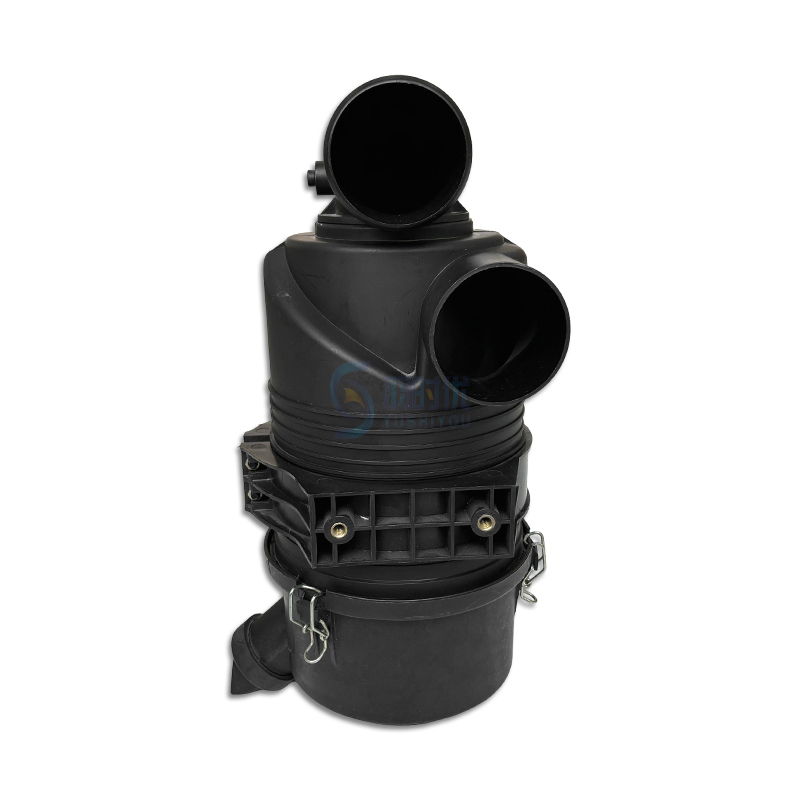
Improving Engine Performance and Acceleration Through Car Filter Replacement
Regular car filter replacement serves as a cornerstone of engine optimization, directly impacting acceleration capabilities and power delivery. By maintaining unimpeded airflow to combustion chambers, drivers can unlock their vehicle’s full performance potential while preventing unnecessary mechanical strain.
How a Clogged Air Filter Reduces Engine Power and Responsiveness
When air filters get really backed up, they basically choke the engine's breathing system, cutting down airflow sometimes as much as half when things get bad enough. Without enough oxygen getting through, engines start burning fuel all wrong, which can knock anywhere from 3 to 11 percent off the horsepower according to Motorist magazine last year. Drivers will notice this most when trying to speed up fast or go up hills, where cars often need to stay in lower gears longer just to make up for the lost power. Some folks might not even realize their filter needs replacing until these symptoms become pretty obvious during regular driving conditions.
The Science Behind Clean Air Intake and Combustion Efficiency
Engines require 10,000 liters of air for every liter of fuel burned. Clean filters preserve this critical 14.7:1 air-to-fuel ratio, ensuring complete combustion cycles that maximize energy release. Unrestricted airflow also stabilizes mass airflow (MAF) sensor readings, allowing precise fuel injection timing for instantaneous power delivery.
Real-World Gains: Horsepower and Throttle Response After Car Filter Replacement
Dyno tests reveal measurable performance restoration post-filter change:
- 3–5 HP gains in standard engines
- 8–12 HP improvements in turbocharged models
- 15–20% faster throttle response across vehicle types
Drivers report reduced turbo lag and smoother gear transitions, particularly in stop-and-go traffic where rapid acceleration matters most.
High-Flow Filters and Performance Upgrades in Modern Vehicles
Performance-oriented drivers are adopting multi-layered cotton gauze filters, which provide 40–60% greater airflow than traditional paper designs. When paired with cold air intake systems, these upgrades can increase torque output by 5–7% without compromising filtration efficiency (Automotive Engineering Insights, 2024). However, proper sealing remains crucial to prevent dust contamination.
Best Practices for Timing Car Filter Replacement to Maximize Performance
Replace filters every:
- 12–15 months for average driving conditions
- 6 months in dusty environments
- 3 months for performance-track vehicles
Conduct visual inspections during oil changes, replacing filters showing visible debris accumulation or pleat deformation. For modified engines, pair filter replacement with MAF sensor cleaning to maintain optimal air metering.
Boosting Fuel Efficiency with Timely Car Filter Replacement
Signs of Reduced Fuel Economy Due to Dirty Air Filters
When an air filter gets clogged, it basically cuts down on how much air reaches the engine. The engine then has to work harder and ends up burning more fuel just to keep going at normal power levels. Most drivers will start noticing things like slower acceleration when they hit the gas pedal, maybe see their gas mileage dropping somewhere around 5 to 10 percent, or find themselves stopping at the pump more often than usual. The Automotive Maintenance and Repair Association did some research last year showing cars with restricted airflow actually waste between 7 and 12 percent extra fuel compared to ones with fresh filters installed. What makes this problem tricky is that these signs tend to creep in slowly over time rather than appearing suddenly. That's why checking the filter every three months or so can make all the difference in catching issues before they become major headaches down the road.
Optimizing Air-Fuel Ratio Through Proper Air Filtration
Engines these days need just the right mix of air and fuel to burn properly, typically around 14.7 parts air to 1 part fuel. When air filters get clogged with dirt and debris, this delicate balance gets thrown off. The result? Fuel doesn't burn completely and instead escapes through the exhaust as harmful emissions. Keeping those filters clean maintains proper oxygen flow so the fuel injectors can work their best. Without clean filters, engines tend to run rich, which means they're burning more fuel than necessary. Drivers who neglect regular filter maintenance often notice their gas mileage dropping by roughly 2 to 4 miles per gallon in stop-and-go traffic situations.
Case Study: Measurable MPG Improvements After Car Filter Replacement
In 2024 researchers looked at what happens when city drivers replace those dirty cabin air filters, and they found something interesting. Fuel economy went up about 9 percent for people stuck in all that stop and go traffic downtown. Drivers said their cars were getting back around 12 to 15 extra miles on each tank after getting the filters changed out during regular maintenance checks. Turbocharged engines saw the biggest improvements too, which makes sense because they work harder. The bottom line here is pretty simple though. Taking care of these small maintenance tasks adds up over time. A little bit of attention now saves money later down the road as the car ages.
Urban Driving Challenges and Shorter Filter Replacement Intervals
City drivers face unique filtration demands–frequent idling and airborne particulates from construction zones clog filters 30% faster than highway driving. Mechanics recommend shortening replacement intervals to 12,000–15,000 miles in metropolitan areas, compared to the standard 20,000-mile guideline for rural drivers.
Proactive Maintenance Strategies to Sustain Fuel Efficiency
- Monitor engine air filters during every oil change
- Use compressed air to remove surface debris between replacements
- Install humidity-resistant filters in coastal climates
- Track fuel economy metrics through onboard diagnostics
Vehicles maintained under these protocols demonstrate 18% better long-term fuel efficiency than those following basic manufacturer schedules, proving that strategic car filter replacement pays dividends at the pump.
Extending Engine Longevity Through Effective Air Filtration
Engine Wear Caused by Dust and Debris from Poor Filtration
When abrasive stuff like silica dust and road grime gets into combustion chambers through unfiltered air, it can really eat away at engines, sometimes causing wear that's around 30% faster than normal according to some research from Mechanical Engineering Journal last year. What happens is these tiny bits basically rub against important parts such as pistons, those cylinder walls we all know about, and even the valve seats. The Result? More friction overall and oil just doesn't work as well anymore. For vehicles running regularly in dusty conditions without good filters, mechanics tend to see big repair jobs coming up way earlier too. We're talking anywhere between 15 thousand to 20 thousand miles before they'd normally need this kind of attention if everything was kept clean and maintained properly.
The Protective Role of Car Filters Against Internal Engine Contamination
High-quality filters trap 99.5% of particles larger than 10 microns, preventing harmful debris from circulating in engine oil or compromising tight-tolerance components. This protection extends to:
- Turbocharger bearings (vulnerable to particulate-induced shaft wobble)
- Fuel injectors (sensitive to clogging from airborne soot)
- Piston rings (prone to scoring from micro-abrasives)
Industry research confirms engines with regular car filter replacement show 40% fewer metal shavings in oil analysis reports compared to neglected vehicles.
Long-Term Engine Health: Vehicles With vs. Without Regular Car Filter Replacement
| Maintenance Pattern | Average Engine Lifespan | Major Repair Frequency |
|---|---|---|
| Strict annual replacement | 250,000+ miles | 0.2 incidents/100k miles |
| Irregular replacement | 150,000–180,000 miles | 1.7 incidents/100k miles |
Data from a 10-year fleet study reveals engines maintained with OEM-specified filter intervals retained 92% of original compression versus 78% in inconsistently serviced units.
OEM vs. Aftermarket Filters: Balancing Cost, Quality, and Protection
While aftermarket filters cost 20–40% less, third-party testing shows variance in filtration efficiency–89–97% for budget options versus 98–99.5% for premium OEM equivalents. Performance-focused drivers should prioritize filters with:
- Multi-layer synthetic media (captures smaller particulates)
- Reinforced sealing gaskets (prevents bypass leakage)
- ISO 5011 certification (validates dust-holding capacity)
Critical systems like direct injection engines benefit most from factory-specified filters, where a 5% filtration gap could lead to $2,800+ in fuel system repairs over 75,000 miles.
Car Filter Replacement and Its Role in Emission Control and Environmental Impact
How Dirty Filters Increase Harmful Exhaust Emissions
When air or fuel filters get blocked, they mess up the delicate balance between air and fuel in an engine, making it run on a much richer mixture than intended. The result? Higher levels of pollution. Gasoline engines typically see carbon monoxide emissions jump around 15% when filters are dirty, while hydrocarbon emissions go up about 10%. These numbers come from EPA data from last year. For diesel vehicles, things get even worse. When diesel particulate filters become packed with soot, nitrogen oxide emissions can spike by as much as 20%. That kind of increase puts vehicles way over the limits set by today's emissions regulations, which is a real problem for both manufacturers and drivers trying to stay compliant.
Clean Filters and Lower Carbon Output: Supporting Greener Driving
Keeping filters in good condition helps fuel burn more completely, which cuts down on CO2 emissions quite a bit for turbocharged engines around 4% or so on average. The benefits get even better for hybrid cars, where research shows particulate matter drops by roughly 7% when owners stick to manufacturer guidelines for replacing those filters. This kind of improvement actually fits right into what many countries are trying to achieve with their climate goals, including the ambitious targets set out in the Paris Agreement for cutting vehicle emissions by 2030.
Meeting Emissions Standards Through Consistent Filter Maintenance
Cars today need good filtration systems if they want to pass those tough regulations out there like Euro 6d and whatever the latest EPA standard is called these days. Some research from Automotive Engineering back in 2023 showed something pretty shocking actually. They looked at all those cars that failed emissions checks and found that almost 9 out of 10 had filters that were way past their due date for replacement. That's why most mechanics will tell owners to stick with regular maintenance intervals around 12k to 15k miles. Waiting too long can really mess up the catalytic converter which costs about two grand to fix not to mention how it throws off the whole emission control system performance.
FAQ Section
What are the signs that my car filter needs replacement?
If you notice slower acceleration, reduced fuel economy, or frequent visits to the gas pump, it might be time to replace your car filters. Regular inspections for visible debris also help determine when replacement is necessary.
How often should I replace my car filters?
Typical replacement intervals are every 12-15 months under normal driving conditions, 6 months in dusty environments, and 3 months for performance-track vehicles. More frequent checks are recommended in urban areas due to dust and particulates.
What types of filters are best for improving performance?
Multi-layered cotton gauze filters offer 40–60% greater airflow compared to traditional paper designs. When coupled with cold air intake systems, these can significantly boost engine performance without compromising on filtration efficiency.
How can filter maintenance impact fuel efficiency?
Proper filter maintenance ensures an optimal air-fuel ratio, which can improve fuel economy by up to 9%. Keeping filters clean helps the engine run efficiently and reduces harmful emissions.
Why should I choose OEM filters over aftermarket ones?
While aftermarket filters may be less expensive, OEM filters generally offer higher filtration efficiency and better durability. OEM filters are particularly recommended for critical systems like direct injection engines, where efficient filtration is vital.
Table of Contents
-
Improving Engine Performance and Acceleration Through Car Filter Replacement
- How a Clogged Air Filter Reduces Engine Power and Responsiveness
- The Science Behind Clean Air Intake and Combustion Efficiency
- Real-World Gains: Horsepower and Throttle Response After Car Filter Replacement
- High-Flow Filters and Performance Upgrades in Modern Vehicles
- Best Practices for Timing Car Filter Replacement to Maximize Performance
-
Boosting Fuel Efficiency with Timely Car Filter Replacement
- Signs of Reduced Fuel Economy Due to Dirty Air Filters
- Optimizing Air-Fuel Ratio Through Proper Air Filtration
- Case Study: Measurable MPG Improvements After Car Filter Replacement
- Urban Driving Challenges and Shorter Filter Replacement Intervals
- Proactive Maintenance Strategies to Sustain Fuel Efficiency
- Extending Engine Longevity Through Effective Air Filtration
- Car Filter Replacement and Its Role in Emission Control and Environmental Impact
- FAQ Section