
 EN
EN
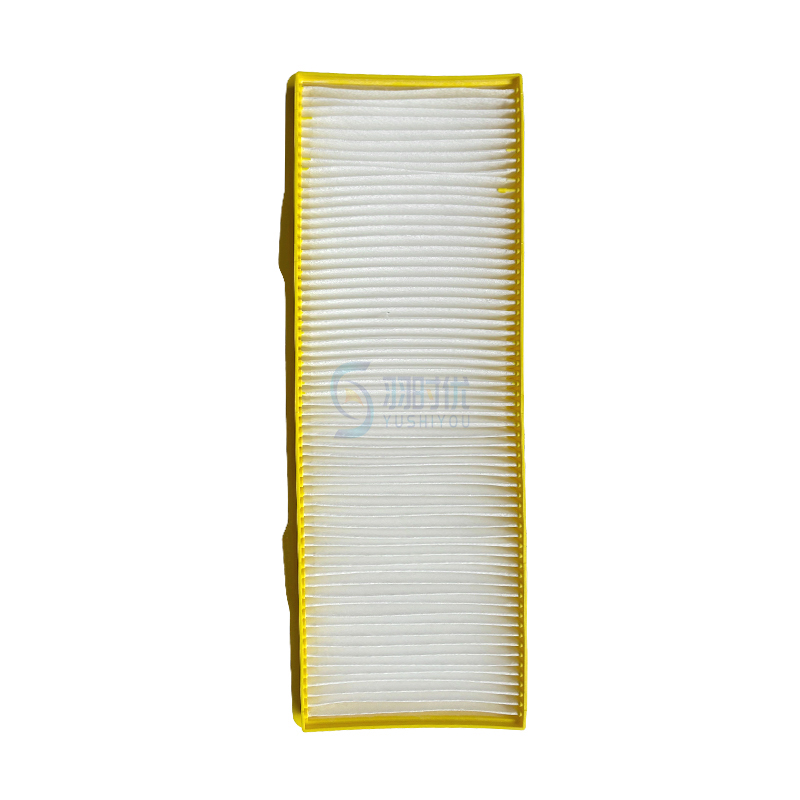
How Cabin Air Filters Improve Air Quality and Reduce Odors
The Fundamental Role of a Cabin Filter in Filtering Outside Air
The cabin filter acts as the primary barrier against dirt and grime getting into a car's ventilation system. These filters sit right at the HVAC intake point and trap all sorts of stuff floating around outside - think pollen, dust, even tiny bits of exhaust particles down to 0.3 microns in size. That's actually smaller than what our bodies can naturally filter out when breathing. Cities tend to have pretty bad air quality too; according to WHO data from 2023, PM2.5 levels often hover around 12 micrograms per cubic meter. Good cabin filters stop about 96% of larger particles from making their way inside the vehicle. If cars didn't have these filters, all that junk would build up on dashboards, seats, and then just keep cycling back through the vents again and again, basically turning the interior into an allergy hotspot over time.
Mechanisms Behind Multi-Layer Filtration for Particle and Odor Removal
Modern cabin filters use a three-stage filtration system:
- A pre-filtration layer traps large debris such as leaves and insects
- Electrostatic media attracts fine particles via ionic charges
- An activated carbon substrate adsorbs gaseous pollutants and odors
What makes the carbon layer so effective is its sponge-like structure which gives it around 1,000 square meters per gram of surface area according to research published in the Journal of Environmental Science back in 2022. This massive surface area allows for powerful chemical reactions with those pesky VOCs coming off cars and factories. Regular paper filters just trap dust particles but miss all the gaseous pollutants. Tests conducted by the Automotive Air Quality Consortium showed something remarkable though. Their real world experiments found that these advanced filters cut down sulfur dioxide levels by nearly three quarters and slash nitrogen oxide concentrations by almost two thirds inside vehicle cabins. Pretty impressive results when considering how much pollution builds up while driving through city traffic.
How Cabin Air Filters Enhance Sensory Air Quality and Passenger Comfort
Cabin filters that take out about 99% of dust particles and tackle those smelly gases can actually make air as clean as what hospitals strive for. People who upgrade their car filters tend to experience around 40% fewer allergy issues when pollen counts are high according to recent studies from Allergy & Asthma Foundation in 2023. Getting rid of diesel smoke and mold inside cars stops that annoying stale smell many drivers complain about, which really matters for folks stuck in traffic for hours at a time. The fancier models sometimes have layers infused with baking soda that keeps the air balanced chemically, making it feel fresher without needing any fake scents added in.
Activated Carbon Technology: Science Behind Odor and Gas Adsorption
The Role of Activated Carbon in Adsorbing Smoke, Exhaust Fumes, and VOCs
Activated carbon is really good at grabbing gaseous pollutants because of its massive internal surface area, which can go over 1,000 square meters for just one gram of material. The carbon has all these tiny pores inside it that work like little traps for adsorption processes. When molecules such as benzene, toluene, or formaldehyde come into contact with the carbon, they stick to its surface instead of flying right past. Regular filters just catch bigger particles floating around, but activated carbon actually reacts chemically with volatile organic compounds coming from car exhaust systems and factories. According to research published in 2023 on automotive air quality, cars fitted with carbon filters saw an impressive drop in cabin VOC levels reaching about 87 percent reduction when compared against regular filters during city driving scenarios.
Scientific Principles of Activated Charcoal in Odor and Toxic Gas Removal
When it comes to adsorption, what happens is that van der Waals forces along with electrostatic attractions pull those pesky odor molecules like hydrogen sulfide and ammonia right into the carbon matrix. This isn't the same thing as absorption where stuff actually gets dissolved or soaked up by materials. The surface of activated carbon also plays a role here because when it's oxidized, it can do something called chemisorption. Basically this means it breaks down dangerous gases such as ozone and formaldehyde instead of just holding onto them. Tests done in labs indicate these carbon treated filters can remove around 92 percent of formaldehyde. That makes all the difference for people driving around cities with bad air quality problems.
Comparison: Standard vs. Activated Carbon Cabin Filters in Real-World Performance
| Metric | Standard Filters | Activated Carbon Filters |
|---|---|---|
| Particulate Capture | 95% (PM2.5) | 96% (PM2.5) |
| VOC Reduction | 12% | 82% |
| Odor Neutralization | None | 94% (24-hour exposure) |
| Average Lifespan | 12–15k miles | 10–12k miles |
While both filter types perform similarly in particulate capture, activated carbon variants outperform standard filters by 9× in gas-phase filtration according to 2023 emissions data. However, their enhanced chemical activity means they saturate faster and require more frequent replacement.
Controversy Analysis: Are All ‘Carbon’ Filters Equally Effective?
Not all carbon filters perform equally well despite their similar labels. Some independent tests show that nearly 4 out of 10 aftermarket models actually have under 20% activated charcoal content by weight, which really cuts down on how much they can absorb. The best performing filters use multiple layers of carbon material along with proper air flow timing around 0.25 seconds or more so pollutants get properly captured. A recent industry study from 2023 found that top quality carbon filters stay effective for almost 60% longer before letting odors through compared to cheaper versions. This shows why actual materials matter more than flashy marketing when shopping for these filtration systems.
Types of Odor-Control Cabin Filters and Their Real-World Benefits
Overview of Cabin Filter Types: Paper, Foam, and Activated Carbon Variants
Most cars come equipped with one of three main filter types, each handling the balance between catching dirt and letting air flow through in different ways. Paper filters work by using thick layers of cellulose material to trap things like pollen and dust particles. They're pretty good at keeping out small stuff and don't cost much either. Foam filters are made from open cell polyurethane which lets more air pass through while still grabbing bigger bits of debris. The downside is these don't do much about gasses. Then there are activated carbon filters that incorporate charcoal treated materials to grab onto bad smells and harmful gases such as ozone, nitrogen oxides, and volatile organic compounds. These really help keep the inside of vehicles free from unpleasant odors and dangerous fumes. According to research published last year in an HVAC journal, advanced carbon filter systems can cut down on fine particulate matter (PM2.5) inside car cabins by around 83 percent when compared to standard paper filters alone.
Advanced Anti-Odor Filters with Baking Soda and Carbon
The best manufacturers tackle bad smells by mixing activated carbon with some baking soda stuff. The combo works pretty cleverly actually. It takes care of acidic smells first, like what comes out of car exhausts, using something called chemical buffering. Meanwhile, the tiny holes in the carbon grab hold onto those sulfur based stinks we all know from rotten eggs. Tests done by third parties indicate these mixed filters get rid of around 92 percent of airborne nasties in just fifteen seconds flat. That beats regular carbon filters hands down, knocking them out by almost 18 percentage points according to the numbers. Makes sense when thinking about how much better they handle different types of odors at once.
Performance Benefits in Urban, Rural, and High-Pollution Environments
Activated carbon filters deliver measurable improvements across diverse driving conditions:
| Environment | Key Pollutants | Carbon Filter Efficacy |
|---|---|---|
| Urban | Exhaust fumes, VOCs | 74% odor reduction |
| Rural | Pollen, agricultural dust | 61% VOC adsorption |
| Industrial | Factory emissions, smoke | 89% gas pollutant capture |
City dwellers will find that carbon filters cut down on toluene inside vehicles by around two thirds according to recent air quality reports from 2024. Most folks in the countryside worry about pollen when thinking about air quality issues, but they might not realize how bad things get with diesel smells if there's no proper filter installed. For those living near factories or places where wildfires are common, getting an upgraded carbon filter makes all the difference. These better filters grab about triple what regular foam ones do when it comes to those tiny particles floating around in the air we breathe.
Signs of a Failing Cabin Filter and Declining Air Freshness
Common Signs of a Dirty Cabin Filter: Musty Odors and Foggy Windows
When a cabin filter starts going bad, there are some pretty obvious signs to watch for. The first thing many people notice is that musty smell coming out of the vents, which usually means mold or bacteria has started growing inside the wet filter material. Fogged up windows when trying to defrost them is another red flag because the air just isn't flowing properly anymore. And if the AC or heater isn't blowing as strong as it used to, particularly on high settings, that's probably because dust and dirt have built up and blocked the airflow. A recent survey by Yahoo Lifestyle found that around two thirds of drivers who kept getting those annoying smells eventually discovered their problem was simply an old, neglected cabin filter needing replacement.
Link Between Mold Growth in HVAC Systems and Poor Filter Maintenance
When filters get clogged, they trap all that moisture from condensation plus bits of organic stuff, which basically creates the perfect environment for mold and mildew to grow inside HVAC duct systems. According to an HVAC safety check done last year, buildings with dirty filters had around three times as many mold spores floating around in their air vents compared to places where filters were changed on schedule every year. The mess doesn't just smell bad either. People who suffer from allergies or have sensitive lungs can end up dealing with serious health problems because of this kind of contamination in the air they breathe.
Case Study: Consumer Reports on Persistent Odors Due to Neglected Filters
A 12-month evaluation by automotive analysts tracked drivers who delayed filter changes beyond manufacturer recommendations by six months or more. Results showed significant degradation:
| Metric | Performance Decline |
|---|---|
| Odor intensity | 82% increase |
| Airflow volume | 47% reduction |
| Defogging speed | 2.3x slower |
Once particulate saturation occurs, cleaning is ineffective; replacement is necessary. Proactive maintenance every 12–15 months—or sooner in high-pollen or humid climates—is key to preserving air freshness and system efficiency.
Maintaining Your Cabin Filter for Long-Term Air Freshness
Impact of Regular Filter Replacement on Sustained Air Quality
Changing cabin filters roughly once a year gets rid of around 90 to 95 percent of stuff floating around in the air such as pollen and dust according to BSRIA research from 2023. This helps keep the inside of vehicles clean and free from contaminants. When filters get clogged, they can cut down on HVAC airflow by almost half, making the system strain more than necessary while letting dirty air full of smells slip past whatever filtering remains. Car makers have noticed something interesting too. Putting in a new filter usually brings back normal airflow levels right away, sometimes even within just one day after installation.
Benefits of Timely Cabin Air Filter Changes in Preventing Odor Buildup
Bacterial colonies responsible for musty odors grow 8× faster in filters older than 18 months (International Journal of Environmental Health 2022). Replacing filters proactively interrupts microbial cycles before noticeable smells develop. In humid regions, drivers who replace filters every 15 months experience 73% fewer odor complaints compared to those adhering to 24-month intervals.
Recommended Replacement Intervals by Vehicle and Filter Type
| Filter Type | Urban/High-Pollution | Rural/Low-Pollution | Hybrid Schedules |
|---|---|---|---|
| Basic Particle | 12 Months | 24 Months | 18 Months + Seasonal Check |
| Activated Carbon | 9–12 Months | 18 Months | 12 Months + Summer Check |
| HEPA + Carbon Blend | 6–9 Months | 12 Months | Professional HVAC Testing |
Filters in stop-and-go traffic degrade faster due to elevated brake dust exposure—42% higher particulate load than highway driving. For optimal performance, always consult your owner’s manual and adjust based on local air quality conditions.
Frequently Asked Questions
What is a cabin air filter and why is it important?
A cabin air filter is located at the HVAC intake point in a vehicle and is responsible for filtering out dirt, dust, pollen, and exhaust particles from the outside air. It enhances air quality inside the vehicle, preventing harmful particles from circulating and accumulating, thereby reducing allergy triggers and maintaining a fresh interior environment.
What types of cabin air filters are available?
There are three main types of cabin air filters: paper filters, foam filters, and activated carbon filters. Paper filters trap small particles like pollen and dust; foam filters allow more airflow while trapping larger debris; and activated carbon filters adsorb bad odors and harmful gases effectively.
How often should I replace my cabin air filter?
Cabin air filters should be replaced every 12-15 months, or more frequently in high-pollen or humid climates. Recommendations vary based on filter type and local driving conditions, so it's advisable to adjust replacement intervals accordingly to maintain optimum air quality.
How do activated carbon filters adsorb odors and gases?
Activated carbon filters use their extensive internal surface area and tiny pores to adsorb gases and odors. The carbon chemically reacts with volatile organic compounds (VOCs), capturing them to significantly reduce odors and harmful emissions inside vehicle cabins.
Table of Contents
- How Cabin Air Filters Improve Air Quality and Reduce Odors
- Activated Carbon Technology: Science Behind Odor and Gas Adsorption
- Types of Odor-Control Cabin Filters and Their Real-World Benefits
- Signs of a Failing Cabin Filter and Declining Air Freshness
- Maintaining Your Cabin Filter for Long-Term Air Freshness
- Frequently Asked Questions