
 EN
EN
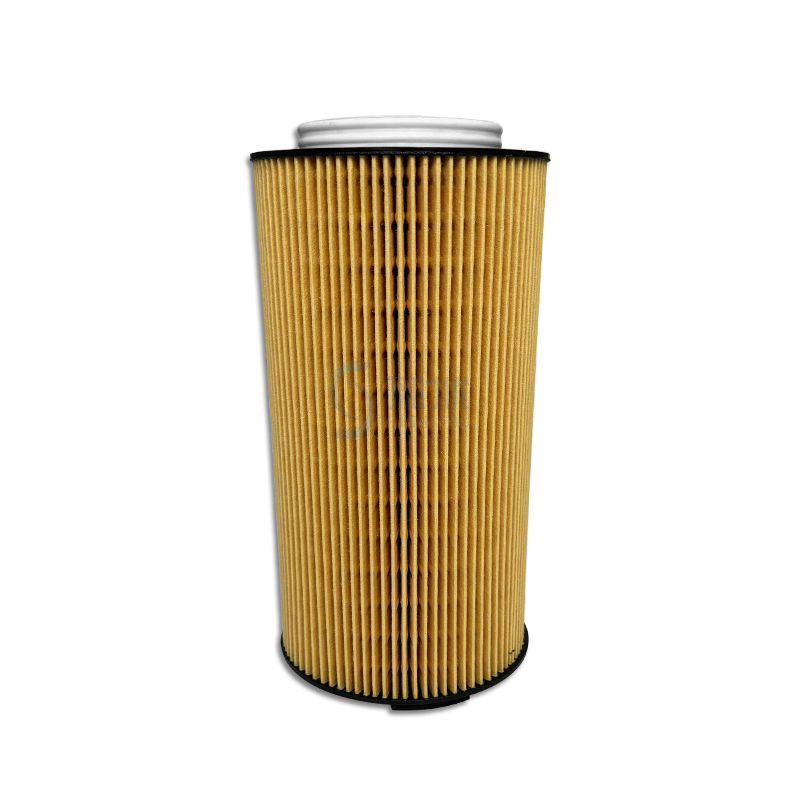
How Synthetic Oil Extends Oil Filter Service Life
Phenomenon: Extended Oil Change Intervals With Synthetic Oil Use
Modern synthetic oils allow oil change intervals of up to 15,000 miles in passenger vehicles and 25,000 miles in commercial fleets—nearly three times longer than conventional oil. This advancement, rooted in the molecular stability of synthetic formulations, reduces the frequency of filter replacements while maintaining engine protection.
Principle: Oxidation Resistance in Synthetic Oil and Its Effect on Filter Longevity
Synthetic oils resist thermal oxidation up to 50% longer than mineral-based oils, maintaining viscosity at temperatures exceeding 450°F (Ponemon 2023). By slowing sludge formation, they keep oil filters operating efficiently for extended periods, delaying saturation and preserving flow integrity.
Case Study: Field Data on Filter Condition After 15,000-Mile Synthetic Oil Intervals
A 2024 analysis of 12,000 fleet vehicles showed that oil filters retained 72% of their initial contaminant capacity after 15,000-mile synthetic oil intervals. Only 11% required early replacement due to excessive pressure differentials, confirming robust real-world performance under extended drain conditions.
Trend: Automakers Specifying Longer Service Cycles With Synthetic Oil and Compatible Filters
Seven major automakers now mandate synthetic oil paired with high-capacity filters in their 2025 models, with average service intervals set at 12,500 miles. This shift reflects growing confidence in the durability of synthetic oil-filter systems and aligns maintenance schedules with long-term performance capabilities.
Strategy: Aligning Oil Filter Lifespan With Synthetic Oil's Extended Performance Window
To maximize efficiency, oil filters must be engineered to match synthetic oil’s performance characteristics:
- Contaminant capacity: Minimum 18 grams retention for 15,000-mile cycles
- Burst pressure: 450 psi rating to endure prolonged thermal stress
- Media composition: Layered cellulose/glass fiber blends for consistent particle capture below 20 microns
When properly matched, this integration reduces maintenance costs by 34% compared to using conventional filters with synthetic oil (SAE Technical Paper 2023).
Design and Material Requirements for Oil Filters in Synthetic Oil Systems
Chemical Compatibility Between Synthetic Oil and Oil Filter Materials
The additives and ester components in synthetic oils can actually break down certain filter materials over time. That's why modern filtration systems now incorporate high quality synthetic fibers mixed with cellulose that stand up better against chemicals. The housing materials have also improved with polyester resins that don't swell when they come into contact with strong synthetic compounds. A recent article from the Lubrication Engineering Journal back in 2023 found something pretty significant though. When materials weren't properly matched together, they wore out nearly half as fast as expected. This shows just how critical it is for all these components to work well together in any system using synthetic oils.
Structural Durability of Oil Filters Under Heat and Pressure With Synthetic Oils
Extended drain intervals expose filters to sustained temperatures of 220–250°F—30% higher than typical mineral oil systems. To meet these demands, premium filters incorporate:
- Borosilicate glass microfibers for thermally stable filtration media
- HNBR (Hydrogenated Nitrile) gaskets that maintain seal integrity above 300°F
- Roll-formed steel end caps to resist seam failure under 450 psi bursts
These enhancements ensure reliable operation throughout synthetic oil’s 15,000–25,000-mile service life.
Synthetic Media in Oil Filters: Improving Filtration Efficiency and Capacity
Advanced multi-layer synthetic media achieve 99.6% particle capture at 10 microns without sacrificing flow. The layered design includes:
- Coarse glass fibers for large debris retention
- Microglass layers targeting sub-15-micron contaminants
- Dacron mesh for structural support
This configuration increases dirt-holding capacity by 62% over conventional filters (Machinery Lubrication 2024), reducing clogging risk during extended use.
Filtration Efficiency and Contaminant Management Over Extended Drain Intervals
Sustained Particle Capture Performance Under Long-Term Synthetic Oil Use
Synthetic oils preserve filtration effectiveness over time by resisting thermal breakdown. Their uniform molecular structure prevents viscosity spikes that could compromise media performance, ensuring consistent capture of particles as small as 10 microns across extended drain intervals.
Viscosity Stability of Synthetic Oil and Its Role in Consistent Filtration Flow
With stable viscosity from -40°F to 450°F, synthetic oils maintain optimal flow through filter media. This minimizes pressure fluctuations that might trigger bypass valves, keeping contaminant capture rates within 5% variance over prolonged service cycles.
Laboratory Comparison: Filtration Efficiency at 5,000 vs. 10,000 Miles With Synthetic Oil
A 1998 laboratory analysis found synthetic oil maintained 94% filtration efficiency at 10,000 miles—slightly improved from 92% at 5,000 miles. In contrast, conventional oils experienced an 11% drop in efficiency over the same period due to additive depletion and sludge buildup.
Contaminant Holding Capacity: Synthetic Oil’s Role in Reducing Sludge and Extending Filter Life
Synthetic oils’ superior detergent properties keep combustion byproducts suspended in solution rather than forming sludge. As a result, filters utilize 83% of their holding capacity on average, compared to just 67% with conventional oils, based on teardown analyses.
Comparison: Standard vs. Synthetic Oil-Specific Filters in Real-World Conditions
| Metric | Standard Filter | Synthetic-Specific Filter |
|---|---|---|
| Media Surface Area | 120 in² | 180 in² |
| Bypass Valve Pressure | 12 psi | 18 psi |
| 15k-Mile Efficiency | 78% | 93% |
Filters designed for synthetic oils feature denser cellulose/synthetic media blends and reinforced construction to prevent structural failure and maintain high efficiency over extended use.
Synthetic Oil Composition and Its Effect on Oil Filter Integrity
Types of synthetic base oils (PAO, esters, Group IV/V) and their interaction with filters
PAO oils and those ester based Group IV/V synthetics boast pretty consistent molecular structures which means they don't break down as easily when it comes to viscosity changes. What this does is make them work better with today's advanced filter materials. The filters can catch those tiny particles without getting blocked too soon. Most racing oil companies will tell anyone who asks that their PAO formulas need special synthetic filter media though. These filters strike just the right balance between how much stuff they trap and keeping the oil flowing properly even after long periods between oil changes. That's why many high performance engines rely on these specialized combinations for maximum protection over time.
Impact of additive packages on oil filter media and housing integrity
Synthetic oils contain advanced additives like ZDDP (zinc dialkyldithiophosphate), which protects metallic filter housings from corrosion, and ester-based dispersants that help synthetic media resist chemical degradation. Laboratory tests confirm high-quality filters retain 98% of their tensile strength after 15,000 miles of exposure to full-synthetic additive packages.
Debunking myths: Synthetic oil degradation and oil filter compatibility
Contrary to outdated claims, properly formulated synthetic oils extend filter life by 40–60% compared to mineral oils. Early concerns stemmed from legacy cellulose filters prone to oxidative breakdown. Today’s full-synthetic filters use multilayer polyester blends engineered to withstand continuous operation at 300°F, ensuring compatibility and longevity.
Engine design factors influencing oil and oil filter longevity with synthetic oils
Turbocharged direct-injection engines generate higher combustion pressures, placing greater stress on oil filters. In response, manufacturers now build filters with reinforced steel end caps and tightly pleated synthetic media to handle 20–30% higher pressure spikes. These upgrades support OEM-recommended extended drain intervals of 10,000–15,000 miles, ensuring synchronized oil and filter performance.
Frequently Asked Questions
Synthetic oils have a stable molecular structure that resists thermal breakdown. This property helps maintain viscosity, reducing sludge formation and allowing for extended use between oil changes.
How do synthetic oils affect oil filter lifespan?Synthetic oils slow oxidation and sludge formation, keeping the oil filter efficient for a longer period. This means fewer replacements are needed during extended drain intervals.
Can synthetic oils damage oil filters?Modern filtration systems have been designed to withstand the chemical components of synthetic oils. High-quality synthetic fiber filters can resist chemical breakdown and maintain their efficiency longer.
What are synthetic oil-specific filters?Synthetic oil-specific filters have enhanced media and construction to cope with the extended lifespan and efficiency that comes with using synthetic oils. They generally have higher capacity for contaminants and are more durable under high pressure and temperature.
Table of Contents
-
How Synthetic Oil Extends Oil Filter Service Life
- Phenomenon: Extended Oil Change Intervals With Synthetic Oil Use
- Principle: Oxidation Resistance in Synthetic Oil and Its Effect on Filter Longevity
- Case Study: Field Data on Filter Condition After 15,000-Mile Synthetic Oil Intervals
- Trend: Automakers Specifying Longer Service Cycles With Synthetic Oil and Compatible Filters
- Strategy: Aligning Oil Filter Lifespan With Synthetic Oil's Extended Performance Window
- Design and Material Requirements for Oil Filters in Synthetic Oil Systems
-
Filtration Efficiency and Contaminant Management Over Extended Drain Intervals
- Sustained Particle Capture Performance Under Long-Term Synthetic Oil Use
- Viscosity Stability of Synthetic Oil and Its Role in Consistent Filtration Flow
- Laboratory Comparison: Filtration Efficiency at 5,000 vs. 10,000 Miles With Synthetic Oil
- Contaminant Holding Capacity: Synthetic Oil’s Role in Reducing Sludge and Extending Filter Life
- Comparison: Standard vs. Synthetic Oil-Specific Filters in Real-World Conditions
-
Synthetic Oil Composition and Its Effect on Oil Filter Integrity
- Types of synthetic base oils (PAO, esters, Group IV/V) and their interaction with filters
- Impact of additive packages on oil filter media and housing integrity
- Debunking myths: Synthetic oil degradation and oil filter compatibility
- Engine design factors influencing oil and oil filter longevity with synthetic oils
- Frequently Asked Questions